

Why Do E-Bike Batteries Explode? Understanding the Risks & How to Avoid Them
Introduction
Electric bikes have become increasingly popular in Gold Coast, Australia, offering a convenient and eco-friendly transportation option. However, with the rise in usage, concerns about battery safety have also emerged. Battery explosions in e-bikes have raised alarms among riders and manufacturers alike. In this article, we’ll dive into why e-bike batteries explode and how you can avoid such dangerous incidents.
Understanding E-Bike Batteries
What Are E-Bike Batteries?
E-bike batteries are rechargeable power sources that supply electricity to electric bicycles. Most modern e-bikes use lithium-ion (Li-ion) batteries due to their high energy density, light weight, and long lifespan.
Types of Electric Bike Batteries
- Lithium-ion (Li-ion) Batteries are the most common, efficient, and lightweight.
- Nickel-Metal Hydride (NiMH) Batteries – Less common, but more durable.
- Lead-Acid Batteries – Heavier and cheaper but outdated and less efficient.
How Do Electric Batteries for Bikes Work?
E-bike batteries store energy and supply it to the motor, which propels the bike. The battery’s voltage and capacity determine the bike’s performance and range.
Common Causes of E-Bike Battery Explosions
Overcharging and Overheating
Overcharging an electric bike battery can lead to excessive heat buildup, causing battery cells to degrade and possibly catch fire. This risk increases in hot climates like the Gold Coast, where high temperatures further strain battery components.
Poor Battery Quality and Manufacturing Defects
Low-quality or counterfeit batteries for electric bikes often lack proper safety features. Poor assembly, faulty cells, and inadequate insulation can result in overheating or explosions.
Physical Damage to the Battery
Batteries are sensitive to physical impacts. Drops, punctures, or rough handling can cause internal short circuits, leading to dangerous thermal runaway—a rapid, uncontrollable increase in temperature.
Using the Wrong Charger
Each e-bike battery requires a specific charger. Using an incompatible or low-quality charger can overcharge or supply incorrect voltage, leading to overheating and failure.
Water and Moisture Exposure
Water can seep into battery compartments, causing short circuits and corrosion. Riding in wet conditions without proper sealing increases the risk of malfunction.
Age and Wear of the Battery
As batteries age, their efficiency declines. Worn-out battery cells are more prone to overheating and failure. If your battery shows reduced performance or swelling, it’s time for a replacement.
How to Prevent E-Bike Battery Explosions
Prepare for Safe Charging and Storage
- Ensure a working smoke or heat alarm in the charging or storage area.
- Keep the battery away from flammable objects.
- Avoid charging in living spaces like bedrooms or living rooms.
- Charge in open areas like a garage or shed, away from exits.
- Use hard, non-flammable surfaces such as concrete or tiles.
Best Charging Practices
- Never charge when sleeping or away from home.
- Unplug the battery once fully charged.
- Avoid using batteries that are swollen, leaking, or overheating.
- Only use chargers that display the Australian Regulatory Compliance Mark Tick.
Safe Battery Handling and Maintenance
- Purchase batteries from reputable brands with certifications.
- Regularly check for signs of damage such as swelling, leaks, or overheating.
- Keep damaged batteries in a ventilated area at least 3 meters from flammable materials.
- Never dispose of damaged batteries in household waste.
DIY Builds, Repairs, and Upgrades
- Always have battery repairs and installations done by professionals.
- DIY modifications with cheap or second-hand batteries increase fire risks.
- Mishandling lithium-ion batteries can lead to severe injuries or fatal accidents.
What to Do If Your E-Bike Battery Overheats or Smokes
- Immediately turn off the bike and disconnect the battery.
- Move the bike to an open, safe area away from flammable objects.
- If smoke or fire occurs, use a fire extinguisher or call emergency services.
Proper Disposal of E-Bike Batteries
- Large lithium-ion batteries cannot be disposed of in household garbage or recycling bins.
- Take old batteries to a Community Recycling Centre or a Household Chemical CleanOut event.
- Small damaged batteries can be placed in water to prevent ignition before disposal.
Conclusion
E-bike batteries offer great convenience but require responsible handling. By choosing quality batteries, following proper charging practices, and conducting regular maintenance, you can significantly reduce the risk of battery explosions. Stay informed and ride safely!
FAQs
-
How long do e-bike batteries last?
Most e-bike batteries last between 3-5 years, depending on usage and care. -
Can I use a charger for my electric bike battery?
No, always use the charger recommended by the manufacturer to avoid safety risks. -
What should I do if my battery gets wet?
Dry it immediately, and avoid using it until you’ve had it inspected by a professional. -
Are cheap e-bike batteries safe?
No, low-cost batteries often lack safety features and can pose explosion risks. -
Is it safe to charge my e-bike overnight?
It’s not recommended as prolonged charging increases the risk of overheating and fire.
Sources
- NSW EPA: Battery Recycling Guidelines
- Australian Government Electrical Safety Regulations
Related Articles:

Which eBike Frame Suits Me? Find Your Fit
Which eBike frame suits me? Compare step-through, step-over and cruiser frames for comfort, confidence, cargo and the Australian rides you take most.
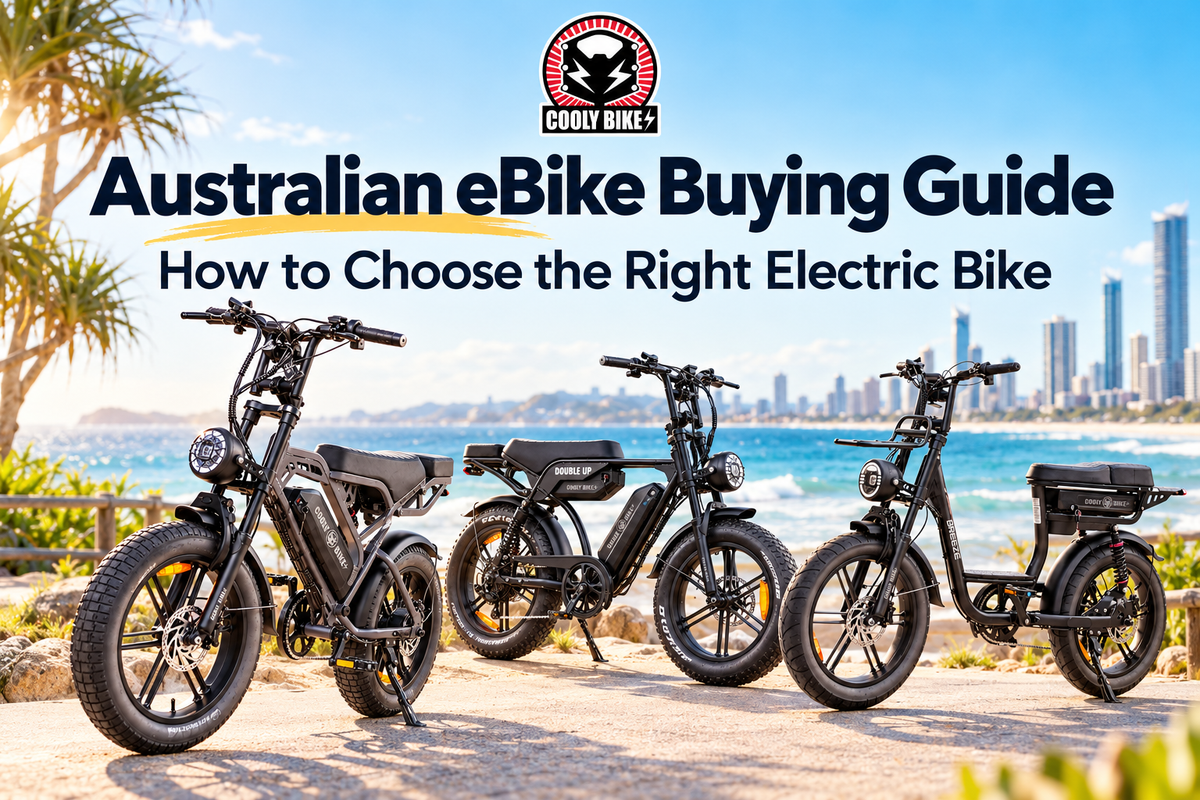
Australian eBike Buying Guide: How to Choose the Right Electric Bike
Wondering which ebike suits me? Match your daily rides, comfort needs, range and style with an eBike you’ll enjoy using every week for daily errands too.
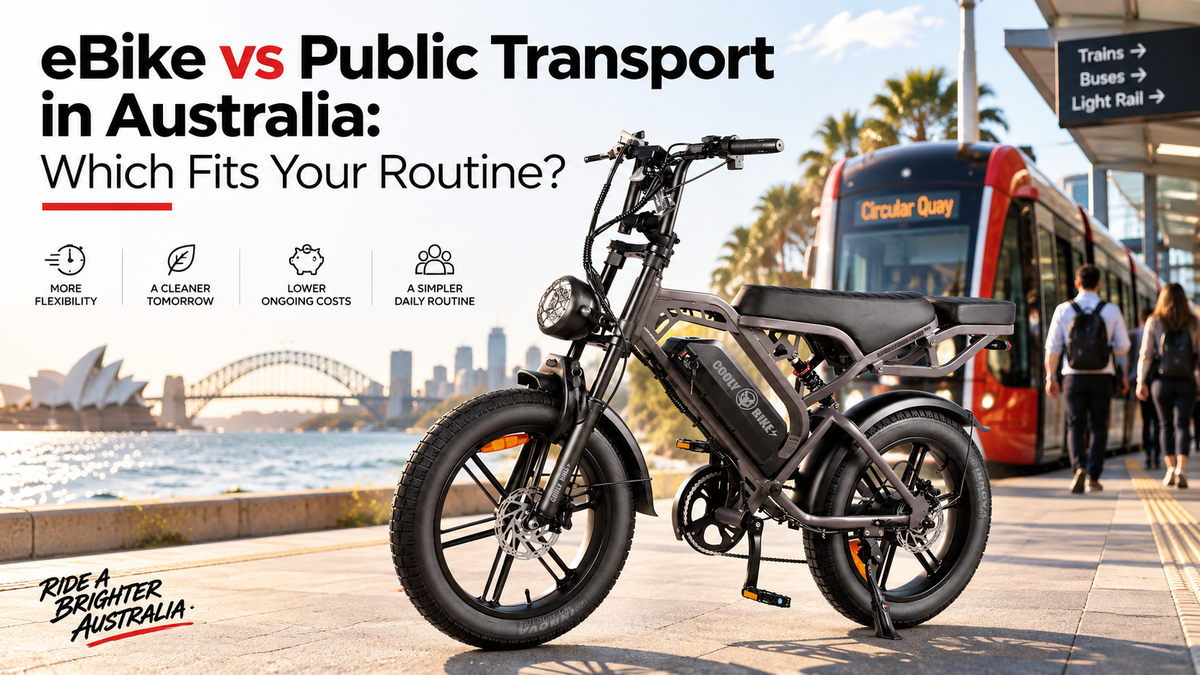
eBike vs Public Transport in Australia: Which Fits Your Routine?
Compare eBike vs public transport in Australia for commuting, errands, cost, weather and flexibility, and see which option fits your everyday routine.
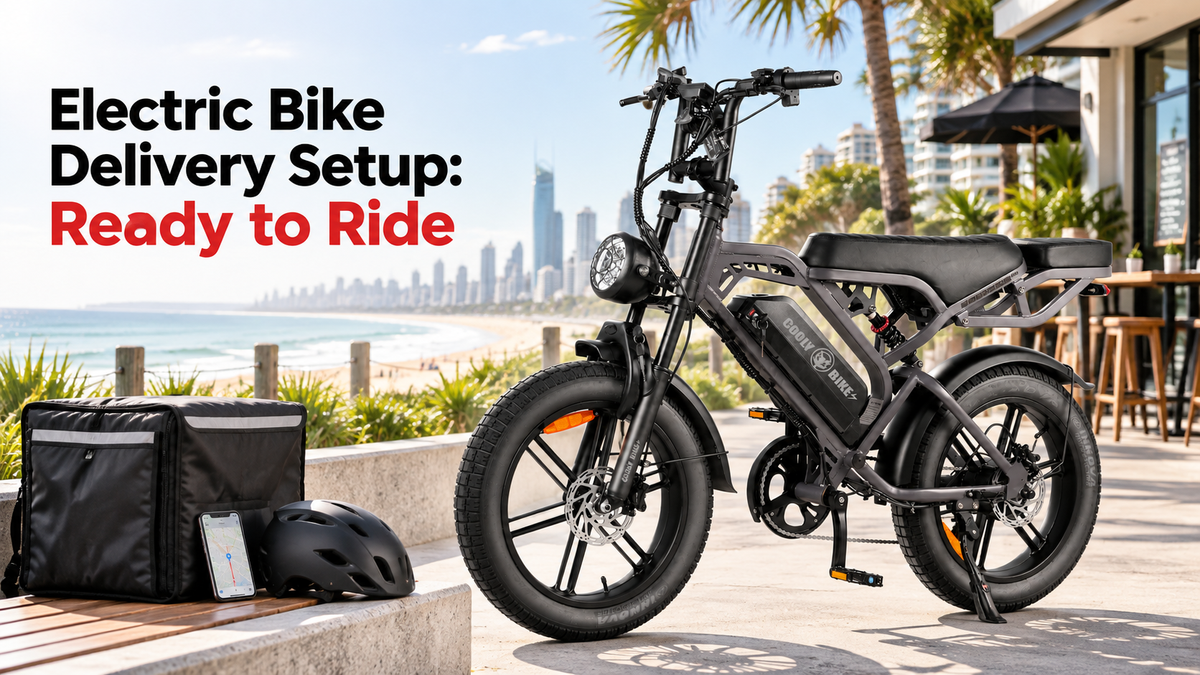
Electric Bike Delivery Setup: Ready to
Plan an electric bike delivery setup that keeps your bike protected, charged and ready for the first café run, commute or weekend cruise with confidence.