How Low Cost E-Bikes Are Replacing Second Cars in Australia (2025 Guide)
For years, owning two cars felt like a standard part of Australian family life. One car for work. One for school runs, errands, weekend plans, and everything in between. But in 2025, that pattern is changing fast, and low cost e-bikes are at the center of it.
As cost-of-living pressures rise, more Aussie households are asking a simple question:
“Do we really need a second car anymore?”
Surprisingly, the answer for many is becoming no, because an e-bike is doing the job just as well, and for a fraction of the cost.
Why Australians Are Rethinking the Second Car
The second car has always been more about convenience than necessity. But convenience has become expensive. Fuel prices continue climbing, insurance isn’t getting any cheaper, and even a basic service now costs more than some families spend on groceries in a week.
When you add up annual costs like:
-
registration
-
servicing
-
fuel
-
insurance
-
parking fees
-
unexpected repairs
…it’s easy to see how a single “extra” car quietly drains $4,000–$7,000+ per year from the average household.
For many families, that’s simply not sustainable.
This is exactly why low cost e bikes have exploded in popularity in Australia, they offer the same convenience without destroying the budget.
E-Bike vs Second Car: Why Families Are Making the Switch
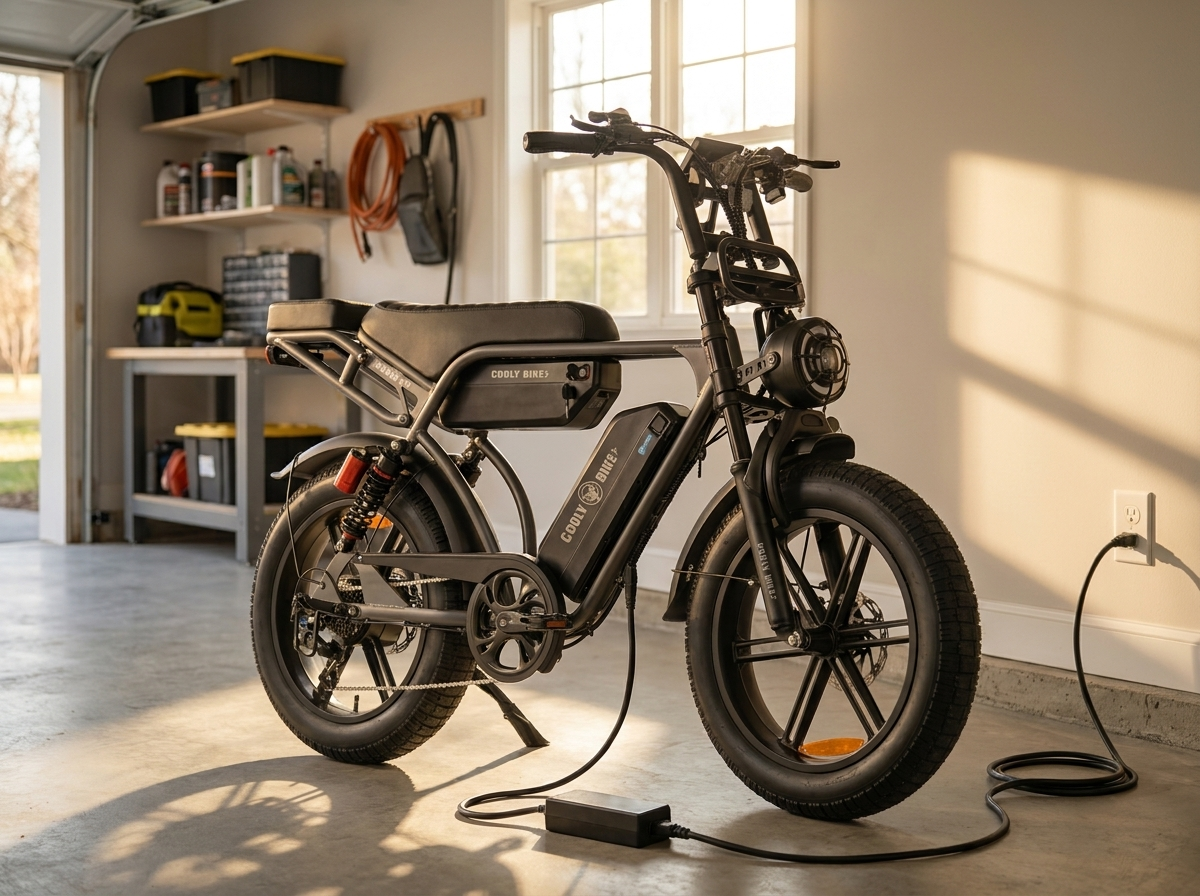
When you compare an e-bike vs a second car, the differences become obvious. An e-bike costs almost nothing to run. No registration. No weekly fuel spend. No $500 service bills. And no battling for beachside parking on the Gold Coast.
Running an e-bike in Australia typically includes:
-
occasional servicing
-
battery charging
-
basic maintenance
And that’s it.
Even a premium-quality e-bike will cost less in a year than one month of second-car expenses.
Most families use their second car for short, local trips anyway, exactly the type of riding an e-bike is perfect for. School runs. Grocery runs. Café trips. The gym. Beach rides. Work commutes within 5–15 km.
That’s why e-bike savings in Australia are becoming one of the biggest lifestyle advantages in 2025.
What Aussies Are Using Cooly E-Bikes For
The switch isn’t only about money. It’s also about making everyday life simpler. Most households that adopt second car alternatives end up riding their e-bike more than expected, because it actually makes short-distance travel more enjoyable.
Here’s where the biggest shift is happening:
Every day e-bike use in 2025:
-
quick work commutes
-
kids’ school drop-offs
-
picking up groceries
-
trips to the beach
-
gym classes and sports
-
weekend exploring
Instead of sitting in traffic or circling for parking, families simply hop on the bike and go.
Why Low Cost E-Bikes Make Financial Sense
Electric bikes aren’t just replacing second cars; they’re removing a major financial burden. When a household lets go of that extra vehicle, the savings begin immediately.
Most families switching to e-bikes report annual savings of $4,000–$6,000, sometimes even more, depending on their previous car’s running costs.
And unlike a car, an e-bike doesn’t depreciate thousands of dollars every year. You don’t need to worry about rising fuel prices. And you’re not tied to the stress of heavy maintenance bills.
This is why low cost e-bikes are gaining so much attraction; it’s the smartest transport shift many Australians have made in years.
Which Cooly Bikes Models Work Best as a Second-Car Replacement?
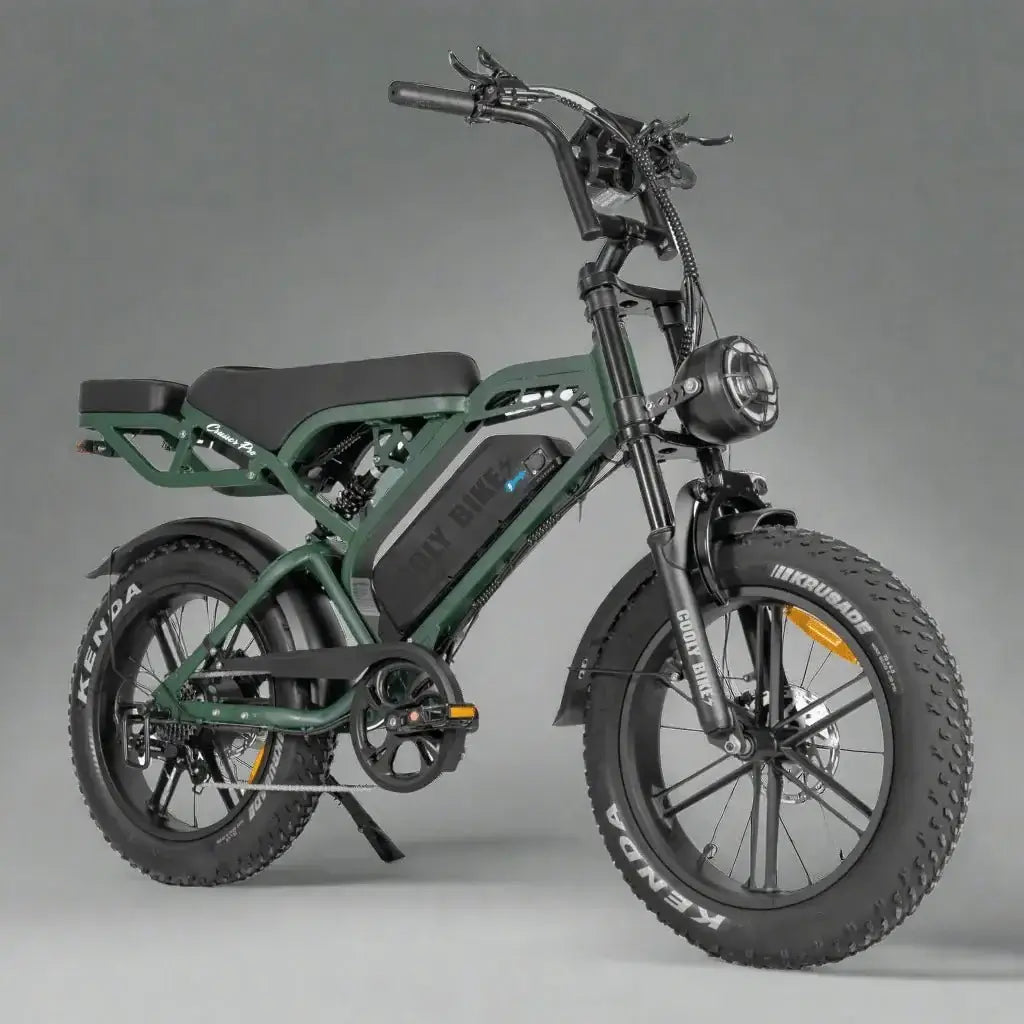
Cooly Bikes has two models that fit this family-first, practical lifestyle perfectly.
1. Cooly Beach Cruiser
A comfortable, relaxed ride for everyday trips, perfect for errands, school runs, and cruising the Gold Coast pathways. Easy handling, smooth power, and ideal for short-to-medium distances.
2. Cooly Premium Cruiser
For households that need more power, speed, and flexibility. The Premium Cruiser handles longer daily commutes, hills, and frequent-use riding without adding a single dollar to your weekly transport budget.
Both bikes are designed for real Aussie conditions and make an excellent second car alternative, especially for families trying to simplify their routine and cut yearly expenses.
The Lifestyle Upgrade Nobody Expected
The rise of e-bikes in Australia isn’t just about affordability; it’s about freedom. Less traffic. Less stress. More movement. More time outdoors. And a more relaxed way to move around your neighborhood.
Low-cost e-bikes have made it possible for Aussies to enjoy all of that without committing to another $40k–$60k vehicle that sits idle 90% of the time.
Final Thoughts: Will an E-Bike Replace Your Second Car?
For many households, the shift is already happening. If your second car is mostly used for short trips, daily errands, or local travel, then an e-bike might not just be the cheaper option, it might be the smarter one.
With low cost e-bikes offering real savings, convenience, and a healthier everyday lifestyle, 2025 is shaping up to be the year many Australians finally say:
“We don’t need a second car anymore.”
Frequently Asked Questions
Q: Are e-bikes really replacing second cars in Australia?
A: Yes. With rising fuel prices, higher maintenance costs, and improved bike-friendly infrastructure, many households now see e-bikes, especially low cost e-bikes, as a practical alternative to owning a second car. For daily errands and short commutes, an e-bike vs a second car comparison strongly favors the e-bike.
Q: How much money can an Australian household save by using an e-bike instead of a second car?
A: Most households can save $3,000–$6,000 per year when they replace a second vehicle with an e-bike. These savings come from reduced fuel, registration, insurance, and maintenance. Low cost e-bikes make the savings even more significant.
Q: Are cruiser e-bikes suitable for everyday commuting?
A: Absolutely. Cruiser e-bikes and beach cruiser e-bike models are built for comfort, stability, and relaxed upright riding. They’re ideal for school runs, grocery trips, and short commutes, perfect for families looking to cut down on car use.
Q: Can e-bikes handle Australia’s hilly suburbs and longer distances?
A: Modern e-bikes come with powerful motors and long-range batteries, allowing riders to confidently handle hills and 20–40 km daily travel. Many riders now use e-bikes for full work commutes without breaking a sweat.
Q: Are e-bikes safe for older riders?
A: Yes. Many Australians in their 40s, 50s, and 60s prefer e-bikes because they offer pedal assistance, better balance, and lower-impact riding. Cruiser e-bikes in particular are known for their wider seats, step-through frames, and stable handling.
Q: Is it worth buying an e-bike if I still own one car?
A: Definitely. Many Australian families keep one main vehicle and replace the second with an e-bike. It reduces monthly expenses while still offering flexibility for longer road trips or emergencies.
Q: How long do e-bike batteries last?
A: Most high-quality e-bike batteries last 3–5 years, depending on use and charging habits. That’s more than enough for typical Australian commuting patterns.
Q: Do e-bikes require insurance or registration in Australia?
A: Standard e-bikes (up to 250W and 25 km/h assist) do not require registration or insurance, making them far cheaper to run than a second car. Some riders still choose optional insurance for theft protection.
Q: Can a beach cruiser e-bike replace my daily short drives?
A: Yes. A beach cruiser e-bike is ideal for trips under 10 km, school drop-offs, shopping, leisure rides, or visiting friends. It’s one of the most popular choices for replacing short-distance car trips in 2025.
Related Articles:

Electric Dirt Bike Australia: Ride It Right
Thinking about an electric dirt bike in Australia? Learn where you can ride, what to check before buying, and how to choose a ride that suits your terrain.
Do I Need a Licence for an eBike in Australia?
Do I need a licence for an ebike in Australia? Learn the 250W and 25 km/h rules, where throttle help fits, and when registration may apply for daily rides.